
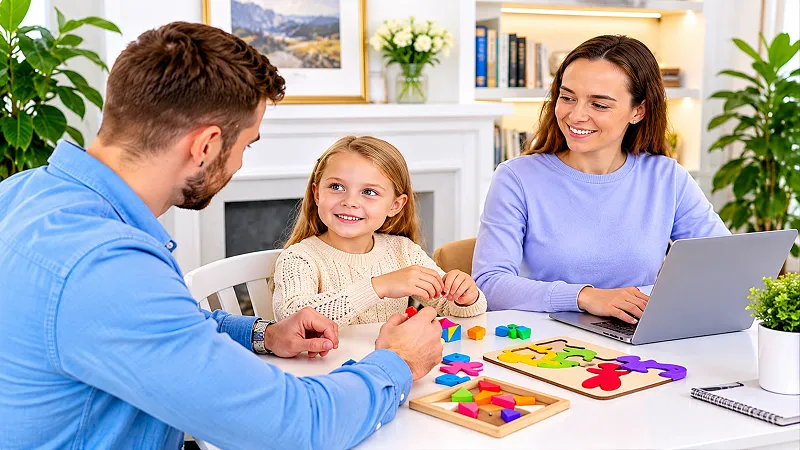
Parenting is one of the most rewarding experiences in life, but it also comes with daily challenges. From managing children’s emotions to developing healthy habits, parents make countless decisions that influence their children’s growth. Every child has a different personality, learning style, and emotional needs, so finding the right parenting approach requires patience and understanding.
Parenting advice FpMomHacks focuses on practical ideas that help parents create a supportive family environment, build stronger relationships, and guide children through different stages of development. Good parenting does not mean being perfect. Instead, it involves learning from everyday experiences, communicating openly, and providing children with the care and guidance they need.
1. Build Strong Communication With Your Children
Communication is one of the most important parts of a healthy parent-child relationship. Children need to feel comfortable sharing their thoughts, asking questions, and discussing their problems without worrying about being judged.
Parents can improve communication by giving children their full attention during conversations. Instead of immediately correcting their behavior, listen carefully and try to understand their feelings.
Practice Active Listening
Active listening means focusing on what children are saying rather than preparing an immediate response. Maintain eye contact, avoid unnecessary interruptions, and ask simple questions when something is unclear.
For example, if a child feels upset about a school activity, allow them to explain the situation before offering advice. This approach helps children feel respected and understood.
Encourage Open Discussions
Make family conversations part of everyday life. Talking during meals, bedtime, or outdoor activities can create natural opportunities for children to share their experiences.
2. Create Healthy Daily Routines
Children often feel more comfortable when they understand what to expect throughout the day. Consistent routines can make family life more organized and reduce unnecessary confusion.
A balanced daily schedule should include schoolwork, meals, playtime, relaxation, and sufficient sleep.
Establish Consistent Sleep Habits
A consistent nighttime routine helps children relax before sleeping. Parents can encourage peaceful activities like reading books, enjoying soft music, or discussing the day’s happy experiences.
Avoid making bedtime unnecessarily stressful. A peaceful environment can help children develop better sleeping habits.
Balance Learning and Play
Education is important, but children also need time to explore their interests. Encourage activities such as drawing, building toys, reading, outdoor games, and creative projects.
A healthy balance allows children to develop different skills while enjoying their childhood.
3. Teach Children Discipline With Understanding
Discipline helps children understand boundaries, responsibilities, and appropriate behavior. However, effective discipline should focus on teaching rather than frightening or embarrassing children.
Parents should establish clear household rules and explain why those rules matter.
Set Clear Expectations
Children follow directions more easily when rules are clear, simple, and applied consistently. For example, explain that toys should be returned to their proper places after playtime.
Avoid creating too many complicated rules. Focus on important behaviors such as respect, honesty, safety, and responsibility.
Use Positive Reinforcement
Recognize positive behavior through encouragement and appreciation. When children complete their homework independently or help with household activities, acknowledge their efforts.
Positive reinforcement helps children understand which behaviors are valuable and encourages them to repeat them.
4. Support Children’s Emotional Development
Emotional development plays an important role in how children understand themselves and interact with others. Parents can teach children to understand their feelings and communicate their emotions in positive ways.
Children may experience frustration, disappointment, excitement, jealousy, or sadness. These feelings are normal parts of growing up.
Help Children Identify Their Feelings
Teach children simple words to describe their emotions. For example, explain the difference between feeling disappointed, nervous, angry, or excited.
When children can identify their feelings, they may find it easier to communicate their needs.
Teach Healthy Ways to Handle Stress
Encourage simple activities such as taking deep breaths, drawing, walking, or talking with a trusted family member.
Parents should also demonstrate calm behavior during difficult situations. Children often learn emotional responses by observing adults around them.
5. Encourage Independence and Responsibility
Children gradually develop confidence when they have opportunities to complete suitable tasks independently. Parents should offer support while allowing children to make their own choices.
Allowing children to take small responsibilities teaches practical skills and prepares them for future challenges.
Give Age-Appropriate Tasks
Younger children might organize their toys, put away books, or help arrange their school supplies. Older children can prepare simple snacks, organize their study materials, or assist with household activities.
Choose responsibilities that match each child’s abilities.
Allow Children to Make Small Decisions
Give children opportunities to choose their clothes, select a book, or decide which activity they want to enjoy.
These small decisions help them understand personal responsibility and develop independent thinking.
6. Make Family Time a Priority
Busy schedules can make it difficult for parents and children to spend quality time together. However, meaningful family activities do not always require expensive outings or complicated plans.
Simple shared experiences can strengthen relationships and create positive memories.
Plan Regular Family Activities
Consider organizing a weekly game night, preparing meals together, visiting a nearby park, or reading stories as a family.
Choose activities that allow everyone to participate and enjoy themselves.
Reduce Screen Distractions
Excessive screen interruptions can affect family conversations. Parents can introduce screen-free periods during meals, family discussions, and shared activities.
Adults should also follow these rules because children learn from the habits they observe.
7. Understand That Every Child Is Different
One parenting approach does not work equally well for every child. Some children enjoy social activities, while others prefer quiet environments. Some learn through visual examples, while others understand instructions more easily through practical activities.
Parents should observe their children’s interests, strengths, and challenges before deciding how to support them.
Avoid comparing siblings or other children. Comparisons can create unnecessary pressure and make children feel that their individual efforts are not appreciated.
Instead, recognize personal progress and celebrate achievements, even when they seem small.
8. Take Care of Yourself as a Parent
Parenting requires time, energy, and emotional commitment. Parents sometimes become so focused on their children’s needs that they forget their own well-being.
However, looking after yourself can help you manage family responsibilities more effectively.
Make Time for Rest
Try to maintain healthy personal habits, including regular meals, sufficient sleep, and activities that help you relax.
Even short breaks can provide an opportunity to recharge during demanding days.
Ask for Support When Needed
Do not hesitate to seek help from trusted family members, friends, or qualified professionals when parenting challenges become difficult.
Sharing responsibilities can reduce pressure and help parents maintain a healthier family environment.
9. Common Parenting Challenges and Practical Solutions
Every family experiences difficult moments. Understanding common challenges can help parents respond with patience instead of frustration.
Managing tantrums: Stay calm, make sure the child is safe, and allow emotions to settle before discussing appropriate behavior.
Homework difficulties: Create a comfortable study area, divide larger assignments into smaller tasks, and offer encouragement.
Sibling disagreements: Listen to both children, encourage respectful communication, and help them find fair solutions.
Screen-time disagreements: Establish clear expectations and offer enjoyable alternatives such as sports, reading, crafts, and outdoor activities.
These practical strategies reflect the purpose of parenting advice FpMomHacks: helping families approach everyday difficulties with realistic solutions.
Conclusion
Successful parenting develops through patience, communication, consistency, and understanding. Children need more than rules and instructions; they also need emotional support, encouragement, independence, and meaningful family connections.
By establishing healthy routines, teaching positive behavior, supporting emotional development, and spending quality time together, parents can create an environment where children feel valued and confident.
The most useful parenting advice FpMomHacks encourages parents to focus on progress rather than perfection. Every small effort can contribute to a stronger relationship and a happier family life.